Celanese Acetic Acid

Glacial, industrial, chemical, food and pharma grade options from Bouling Group Co., Ltd.

View Grade Range

About Bouling Group

Bouling Group Co., Ltd presents the Celanese acetic acid range for industrial, laboratory, food and pharmaceutical applications. Our focus is grade identification, documented material data and application fit, so buyers can match a concentration or designation to the process at hand. The portfolio spans glacial material, concentration-specified grades, chemical and food options, and pharma designations listed on this page.

28Listed grade options
64-19-7CAS number
60.05 g/molMolecular weight
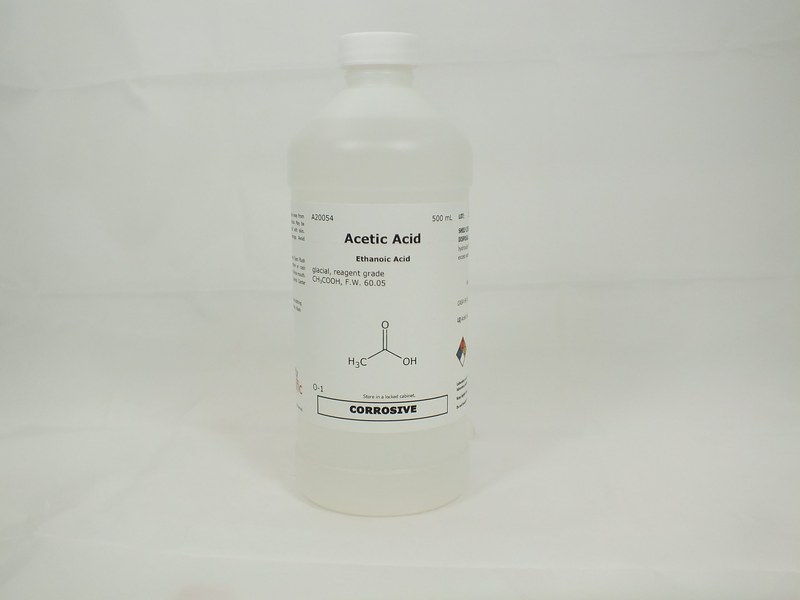
Glacial acetic acid product container

What Acetic Acid Is

Acetic acid, also called ethanoic acid, is a clear monocarboxylic liquid with the formula CH3COOH and CAS number 64-19-7. Glacial acetic acid is the concentrated form that stays liquid above 16.6 °C, while aqueous grades dilute the same acid to lower stated concentrations. Celanese Glacial Acetic Acid and the listed HAC 95 through HAC 20 options give formulators a direct way to select acidity strength for a given process.

Concentration and designation are separate selection criteria. A lower number in a grade name means more water in the liquid, which changes metering, storage and reaction behavior. The grade designation, in turn, signals the intended use environment and the specification framework applied to the material.
Full Grade Range

The range brings together concentration-specified HAC grades and application-designated options in one place. Each entry below is shown exactly as listed, covering Acetic Acid Industrial Grade, Acetic Acid Chemical Grade, Acetic Acid Food Grade and pharma designations. Use the concentration in the name as the first selection filter, then align the grade designation with the intended process requirement.

Dilute Aqueous Solution

  • 01HAC 95 / Acetic Acid 95%AmericasConcentration Grade
  • 02HAC 92 / Acetic Acid 92%AmericasConcentration Grade
  • 03Acetic Acid Technical Grade 90%EMEATechnical Grade
  • 04HAC 85 / Acetic Acid 85%AmericasConcentration Grade
  • 05HAC 84 / Acetic Acid 84%AmericasConcentration Grade
  • 06HAC 80 / Technical Grade 80%AmericasTechnical Grade
  • 07HAC 75 / Technical Grade 75%Americas/EMEATechnical Grade
  • 08HAC 70 / Acetic Acid 70%Americas/EMEAConcentration Grade
  • 09HAC 65 / Acetic Acid 65%AmericasConcentration Grade
  • 10Acetic Acid Technical Grade 60%EMEATechnical Grade
  • 11HAC 56 / Acetic Acid 56%AmericasConcentration Grade
  • 12HAC 50 / Acetic Acid 50%AmericasConcentration Grade
  • 13HAC 40 / Acetic Acid 40%AmericasConcentration Grade
  • 14HAC 30 / Acetic Acid 30%AmericasConcentration Grade
  • 15HAC 25 / Acetic Acid 25%AmericasConcentration Grade
  • 16HAC 20 / Acetic Acid 20%AmericasConcentration Grade
  • 17Acetic Acid Chemical Grade 80%EMEAChemical Grade
  • 18Acetic Acid Chemical Grade 60%EMEAChemical Grade
  • 19Acetic Acid Food Grade 80%EMEAFood Grade
  • 20Acetic Acid Food Grade 40%AmericasFood Grade

Sustainable ECO Series

  • 21Acetic Acid ECO-B OptionGlobalSpecialty Option

Glacial Acetic Acid

  • 22Glacial Acetic Acid Industrial GradeGlobalGlacial / Industrial
  • 23Acetic Acid Chemical GradeEMEAChemical Grade
  • 24Acetic Acid Food Grade E260Europe/EMEAFood Grade
  • 25Acetic Acid Food/Kosher Grade, FCCNorth AmericaFood Grade
  • 26Acetic Acid USP/Pharma GradeGlobalPharma Grade
  • 27Acetic Acid Pharma Grade 99/100%GlobalPharma Grade
  • 28Acetic Acid USP/Pharma/Kosher GradeGlobalPharma Grade
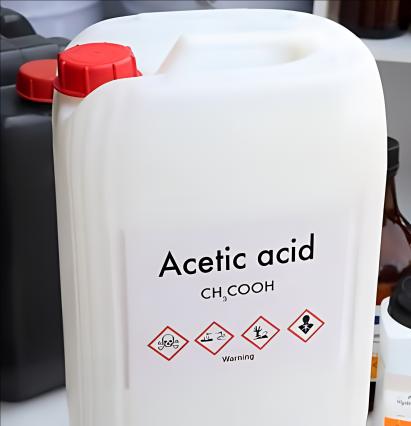
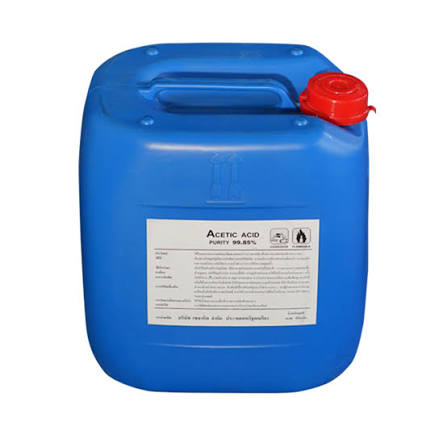
Industrial grade acetic acid package
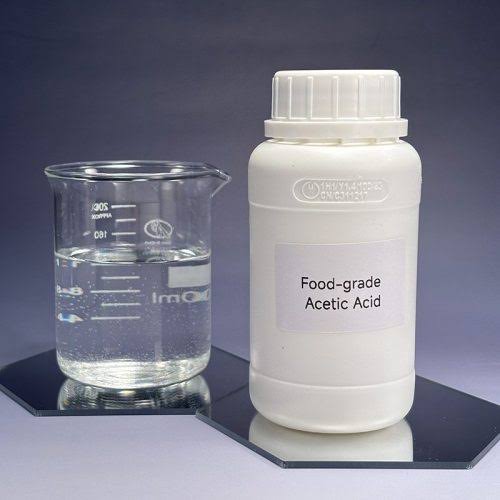
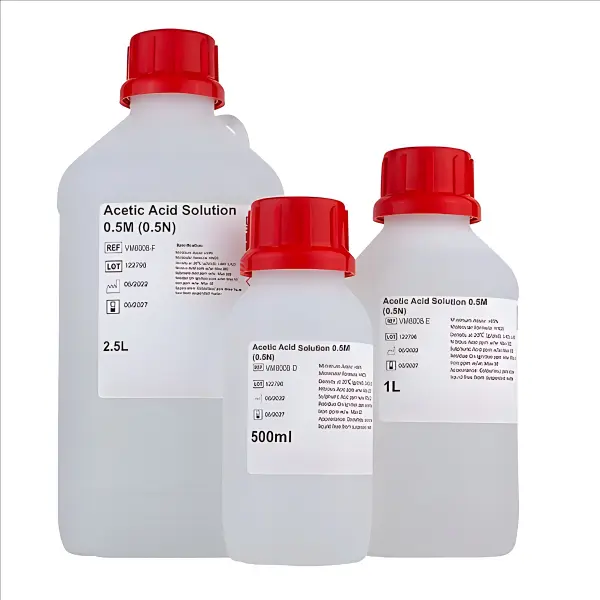
Food grade acetic acid bottle

Lower-concentration aqueous grades suit dosing and neutralization work where measured acidity is needed. Higher-concentration and glacial material is chosen when water content must be kept low. Food, Kosher, FCC and USP designations address different specification frameworks and are matched to the finished product requirement.

Acetic acid molecular structure

Technical Specifications

Acetic acid is identified by a small set of constants that stay the same across concentration grades. The values below describe the pure compound and help separate material identity from the concentration declared in each grade name. They support storage planning, metering calculations and early-stage process screening.

64-19-7CAS Number
CH3COOHMolecular Formula, C2H4O2
60.05 g/molMolecular Weight
118 °CBoiling Point at 760 mmHg
Melting Point16.6 °C
Density1.049 g/cm³ at 20 °C
pKa4.76 at 25 °C
AppearanceClear colorless liquid

Where It Is Used

Acetic acid serves as a building block for downstream chemicals and as a functional ingredient in finished products. Selection depends on concentration, water content and the specification framework attached to the grade. The scenarios below reflect the main reasons buyers specify this material.

Chemical Synthesis

Used as an acetylating and acidifying intermediate in downstream chemical production. Industrial and chemical grade options are reviewed first for these routes.

Food Preparation

Food grade acetic acid functions as an acidulant in processed foods. E260 and FCC designations help align the material with food ingredient programs.

Pharma Formulations

USP and pharma grade options are considered where compendial expectations apply. Concentration and designation are reviewed together with the formulation requirement.

Laboratory Work

Aqueous HAC grades support titration, pH adjustment and routine reagent preparation. Lower concentrations offer finer control for small-volume work.

Resins And Coatings

Acetic acid is used in esterification routes that feed resin and coating systems. Glacial or high-concentration grades are evaluated when reaction water must be limited.

pH Control

Diluted acetic acid helps adjust alkalinity in water-based systems. Lower concentration grades are easier to meter than glacial material.

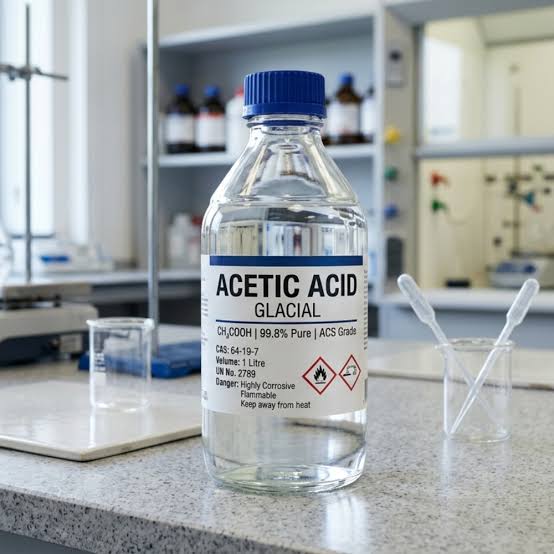
Reagent bottles used in laboratory applications
Laboratory glassware prepared for acid testing
Laboratory glassware for acetic acid review

Quality And Handling

Grade clarity matters more than a single headline purity number when acetic acid enters a regulated or sensitive process. Bouling Group Co., Ltd presents concentration and designation in each product name so technical teams can screen options before deeper review. Laboratory checks focus on identity, concentration and appearance, with the intended application determining which additional attributes are relevant.

Because water content changes both freezing behavior and corrosivity, the grade name should be carried through receiving, storage and dosing records. Keeping that identification intact reduces the chance of using a dilute grade where glacial material was intended, or the reverse.

Processing Guidance

Acetic acid is corrosive, and glacial material demands more care than dilute aqueous grades. The steps below describe a practical sequence for receiving and using the material in controlled conditions. Always review the safety documentation for the selected grade before starting work.

01

Identify Grade

Check the product name, concentration and designation before the material enters storage or dosing.

02

Prepare Vessel

Use storage and transfer equipment compatible with acidic liquids and keep containers clearly identified.

03

Add Acid To Water

When dilution is required, add acid to water slowly with agitation rather than adding water to concentrated acid.

04

Store Separately

Keep glacial and aqueous grades segregated, closed and protected from incompatible materials.

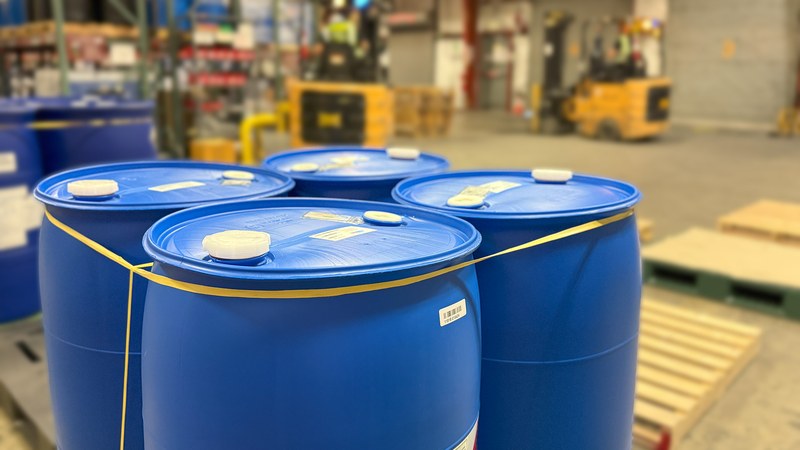
Sealed chemical containers prepared for delivery

Packaging And Delivery

Liquid acetic acid moves through containment chosen to match the grade, concentration and destination. Concentrated glacial material calls for corrosion-compatible containment, while aqueous grades are handled as acidic liquids with controlled transfer. Shipment records identify the product name and grade so receiving teams can verify the material against the order.

  • Grade Identification

    Shipment identification repeats the grade name and concentration designation for receiving checks.

  • Receiving Check

    Incoming material is checked against the identified grade before it enters process or storage.

  • Compatible Containment

    Containers and liners are selected for contact with acidic liquids and the concentration involved.

  • Liquid Handling

    Transfer and dosing systems are arranged for controlled liquid movement and segregation from incompatible materials.

Talk To Our Team

Quinn Chai supports inquiries about the Celanese acetic acid range, including grade selection and documentation. Reach the team directly by phone, email, WhatsApp or Skype using the details shown here. For fast routing, include the exact product name from the grade list in your message.

Scan to chat with Quinn Chai on WhatsApp.

WhatsApp QR

WhatsApp QR code for Quinn Chai

Quinn Chai